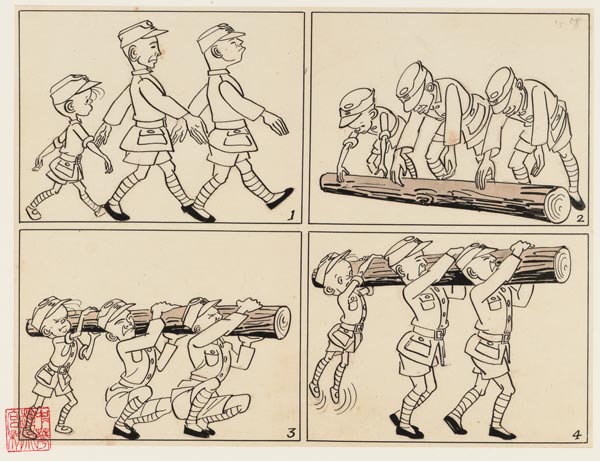
Sanmao (comics)
三毛(漫画人物)
- 分类: 语言文学
- ID: 1861993790033473537
Home CategoryLiteratureSanmao (comics)Play4 minsSanmao is a popular Chinese comic character created by Zhang Leping in 1935. Reflecting Zhang's own challenging early life experiences, Sanmao symbolizes resilience, often portrayed facing adversity. Zhang was born in 1910 in Haiyan, Zhejiang, and his hardships, including working in a Shanghai wood factory and printing plant after his mother's death, inspired the character's stories.ShareCatalogue1. Early Life and Creation2. Character and Themes3. Cultural Impact and Legacy4. Zhang Leping's Influence and Recognition5. Exhibitions and Cultural Significance
Early Life and Creation
Sanmao, meaning "three hairs," is a beloved Chinese comic character created by the late artist Zhang Leping, who was born in Haiyan county, Zhejiang province, in 1910. Zhang's early life mirrored many of the hardships that Sanmao would later face in his stories. Following the death of his mother when he was nine, Zhang had to support his family, taking on various jobs including working in a wood factory and a printing plant in Shanghai. These experiences would later influence his creation of Sanmao, who first appeared in 1935.
Character and Themes
Sanmao is depicted as an orphan living in Shanghai, where he struggles to make ends meet but remains optimistic and kind-hearted. His character is notable for his three strands of hair, symbolizing malnutrition and poverty. Despite his circumstances, Sanmao is portrayed as compassionate, often sharing his limited resources with those in greater need. This selflessness is exemplified by his reluctance to join a gang, even when offered food and care in return. Sanmao's experiences reflect those of many children who lived through the societal upheavals in China during the first half of the 20th century.
Cultural Impact and Legacy
Sanmao became a symbol of the plights faced by orphans and the impoverished during periods of conflict and change in China. The movie The Winter of Three Hairs in 1949 featured the top actors in Shanghai, a testament to the influence and magnetism of the comic character. Sanmao resonated deeply with the Chinese public, as evidenced by readers' emotional responses and offers to help the fictional character.
Sanmao's lasting impact is evidenced by continued interest and adaptation of the character's stories. Zhang Leping's works have been exhibited internationally, and his family's residence in Shanghai was turned into a memorial gallery showcasing Sanmao's legacy. The comic series remains popular, with "The Winter of Three Hairs" being listed as one of the 100 must-read books by China's Ministry of Education.
Zhang Leping's Influence and Recognition
Zhang Leping was recognized posthumously with various accolades, including the "Special Honor" at the 2018 Silent Book Contest. His dedication to children's welfare extended beyond his comic work; he and his wife raised several children from families who could not afford to support them. Despite facing challenges such as threats from local ruffians due to his unflattering depiction of gangsters in his comics, Zhang remained committed to highlighting social issues through his art.
Exhibitions and Cultural Significance
Sanmao's influence is celebrated through exhibitions and cultural events. Original illustrations of Sanmao have been displayed in major art festivals, such as the Angouleme International Comics Festival in France. These exhibitions not only commemorate Zhang Leping's contribution to comic art but also aim to introduce Sanmao to international audiences. The character's stories continue to be a testament to the resilience and compassion of those enduring hardship, making Sanmao a timeless figure in Chinese cultural history. Article reference1. Zhang Leping wins special honor of intl book contest. chinaservicesinfo.com. 20182. Seventy years on, book still sells like hotcakes. chinadaily.com.cn. 2017Photo Gallery(8 pictures)CategoriesLiteratureTagModern and Contemporary LiteratureLiterary FiguresCatalogue1. Early Life and Creation2. Character and Themes3. Cultural Impact and Legacy4. Zhang Leping's Influence and Recognition5. Exhibitions and Cultural Significance- - - []








